I’m glad you’re here.
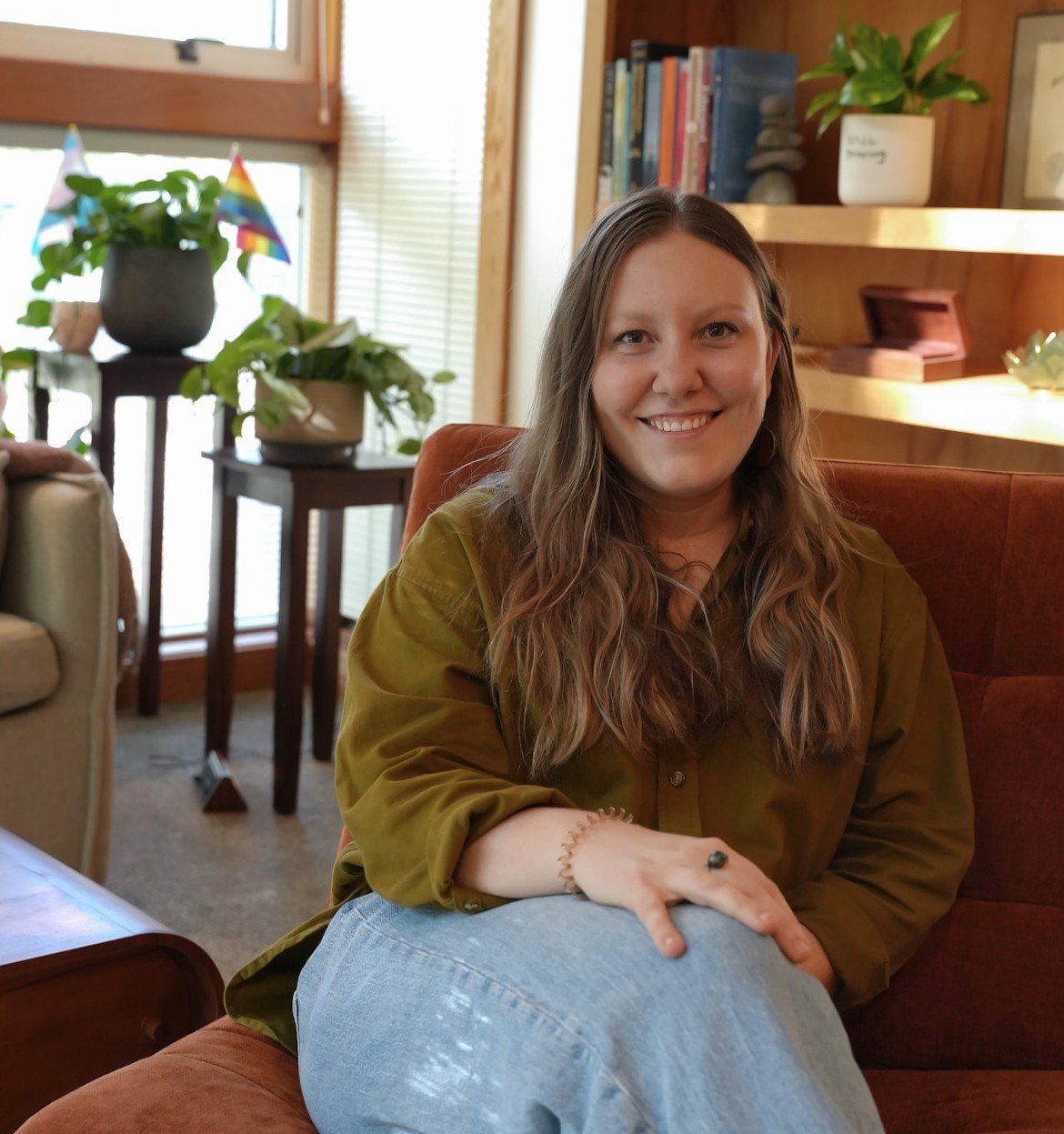
My name is Shannon Lomasney and I’m a Licensed Clinical Social Worker (LCSW) based in Chapel Hill, North Carolina. I work with individuals who are seeking trauma recovery, healing from relational injuries, and developing more secure, authentic connections. My approach is grounded in the belief that understanding your inner world, nervous system, and lived experiences can help illuminate the patterns that continue to show up in your life today.
At the heart of my work is the therapeutic relationship. I believe healing happens in the context of safety, collaboration, and genuine connection. I strive to create a supportive, open space where we can have honest conversations, make sense of pain, and gently tend to past wounds. Therapy with me is not about quick fixes or surface-level coping—it’s about developing a deeper understanding of yourself and making meaningful, lasting change.
Many of the people I work with have spent years feeling stuck, caught in long-standing patterns, carrying unresolved pain, or sensing that past therapy hasn’t gone deep enough. Through our work together, clients often share that they develop greater self-trust, increased self-acceptance, and deeper connections with themselves and others. If any of this resonates with you, please reach out. I’d be honored to walk alongside of you on your journey.

Attachment-Focused & Relational Therapy
Attachment-focused therapy is grounded in attachment theory, which explores how our earliest relationships—especially with caregivers—shape the way we experience closeness, trust, and emotional connection throughout life. These early experiences can influence how we relate to others, how we respond to intimacy or conflict, and how we understand and care for ourselves.
In attachment- and relational-focused therapy, we gently explore patterns that may have developed in response to past relationships, including attachment injuries that continue to impact present-day connections. Through a safe and collaborative therapeutic relationship, we work toward increasing emotional awareness, fostering secure attachment, and creating space for new, more supportive ways of relating.
This approach can be especially supportive for individuals who want to better understand their relational patterns—both with others and within themselves—and who are seeking deeper, more meaningful connections.

Internal Family Systems (IFS) Therapy; “Parts Work”
You know those moments when you feel torn—when one part of you wants to slow down and rest, while another part insists you should be doing more? Or when you feel frustrated with yourself for feeling anxious, angry, or overwhelmed?
Internal Family Systems (IFS) therapy offers a compassionate framework for understanding these inner conflicts. Rather than seeing them as problems to eliminate, IFS views them as different “parts” of us—each with its own role, intention, and story. It’s a way of recognizing that our inner world isn’t a single voice, but a system made up of parts that don’t always agree yet are all trying to help in their own way.
I’ve found IFS to be especially supportive for individuals exploring their identity, working to release people-pleasing or perfectionistic patterns, and seeking greater internal harmony.

Eye Movement Desensitization and Reprocessing Therapy
EMDR is a powerful approach for working with deeply held beliefs or memories that feel “stuck” or unresolved. It helps reprocess past painful experiences that may have shaped how you see yourself, relate to others, and navigate the world.
Through the use of bilateral stimulation—such as guided eye movements or gentle taps—EMDR helps your brain process upsetting or overwhelming experiences so they feel less intense. Using gentle, guided movements or sensations, it helps your mind and body “digest” memories that got stuck, reducing distress and making it easier to move forward.
EMDR can be especially supportive for individuals who tend to overthink or intellectualize their experiences—those who may struggle to connect fully with their emotions or have been told they’re “too self-aware” for traditional therapy. It can help create a bridge between thinking and feeling, allowing for deeper healing and integration.